Navigating Hungary's Rich and Hearty Cuisine. Hungarian cuisine is renowned for its bold flavors, generous use of paprika, and hearty portions. While famous for goulash, paprikash, and rich pastries, Hungary's food scene offers numerous opportunities for health-conscious travelers. This guide will help you enjoy Hungary's rich culinary heritage while maintaining your nutrition goals, focusing on the abundance of fresh produce, quality meats, and smart customization strategies.
Magas fehérje, alacsony szénhidrát opciók
High-Protein, Lower-Carb Options. Hortobágyi Palacsinta: These savory crepes are filled with minced meat (typically veal or chicken) providing approximately 20g protein per serving. The meat filling is typically cooked with onions and spices, then bound with a small amount of reduced sour cream rather than flour-based sauce. Request 'kevesebb tejföllel a tetején' (with less sour cream on top) to reduce the fat content, as restaurants often add an additional dollop before serving. Consider ordering 'egy palacsinta' (just one crepe) as an appetizer rather than the typical two or three portion.
Halászlé: This Hungarian fisherman's soup delivers 25-30g protein per bowl from river fish (typically carp, catfish, or perch) with minimal carbs. The authentic version from the Szeged region includes fish roe and milt, increasing the nutritional density with beneficial omega-3 fatty acids. Ask for 'harcsa halászlé' (catfish fisherman's soup) for the leanest option with approximately 3-4g fat per serving. Request it 'kenyér nélkül' (without bread) to keep it low-carb, and 'külön erős paprikával' (with hot paprika on the side) to control both spice level and your intake of the added oil that typically carries the hot paprika.
Csirkepaprikás: Chicken paprikash features tender chicken pieces (typically thighs) delivering approximately 25g protein per serving. The dish traditionally uses chicken with skin, resulting in 15-18g fat per serving, but you can request 'csirkemellből' (made with breast meat) for a leaner version with 7-9g fat. The signature paprika-infused sauce contains minimal added sugar compared to many Western sauces. Ask for it 'nokedli nélkül, több paprikával' (without dumplings, with more peppers) for a lower-carb option that still delivers the authentic flavor experience.
Vargányás Lecsó: This variation of the classic pepper-tomato stew includes wild porcini mushrooms and eggs, providing approximately 15g protein per serving with minimal carbs (about 8-10g per serving, mostly from the vegetables). Request 'kolbász nélkül, több tojással' (without sausage, with extra eggs) for a cleaner protein source - most restaurants can add an extra egg or two upon request. The high lycopene content from slow-cooked tomatoes offers antioxidant benefits particularly valuable during travel when immune function may be compromised.
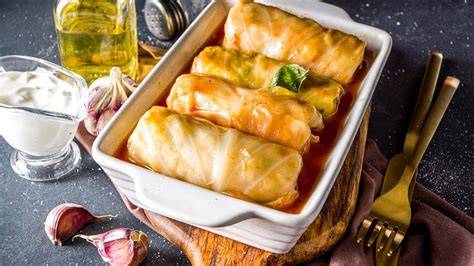
Töltött Káposzta: These stuffed cabbage rolls feature a filling of minced meat (typically pork and beef) with rice. A typical serving provides approximately 22g protein with 15g carbs from the rice. The fermented cabbage wrapper adds probiotic benefits similar to sauerkraut. Request 'kevesebb rizzsel készült' (made with less rice) at restaurants where the rolls are made to order. For a lower-fat version, ask for 'nem füstölt szalonnával' (not made with smoked bacon) as many traditional recipes include bacon in both the filling and the sauce.
Libamáj: Hungarian foie gras is a local specialty providing approximately 12g protein per 100g serving with zero carbs. While fat-dense (approximately 45g fat per serving), it contains primarily monounsaturated fat similar to olive oil. The traditional preparation 'libamáj egészben sütve' (whole roasted foie gras) uses minimal additional ingredients, making it a cleaner option than pâtés which often contain fillers. Request it 'egyszerűen elkészítve' (simply prepared) to avoid added breadcrumbs or sweet wine reductions that add carbs.
Zöldségek és mikrotápanyagok
Vegetable & Micronutrient Powerhouses. Kovászos Uborka: These naturally fermented cucumbers are prepared with garlic, dill, and bread (which is removed before serving). Unlike vinegar-based pickles, this traditional fermentation method creates live probiotics similar to sauerkraut. The resulting pickles contain Lactobacillus bacteria that support gut health - particularly valuable during travel when digestive issues are common. Request 'házi készítésű' (homemade) versions rather than commercial ones which may be pasteurized, killing the beneficial bacteria.
Ajvár Lecsó: This Balkan-influenced variation of lecsó incorporates roasted red peppers and eggplant, creating a dish exceptionally rich in vitamins A, C, and K. The slow cooking process increases the bioavailability of lycopene from the tomatoes by up to 40%. Request 'frissen készített' (freshly made) as the flavor and nutritional profile are significantly better than reheated versions. During late summer and early fall, look for 'idényzöldségekből készült' (made with seasonal vegetables) for maximum nutrient density.
Zöldborsó Főzelék: This green pea stew is traditionally thickened with a light roux rather than cream, making it lower in fat than many Hungarian dishes. A typical serving provides approximately 8g fiber and 9g plant protein, along with significant amounts of vitamins K, C, and various B vitamins. Request 'rántás nélkül' (without roux) for an even cleaner version that allows the natural starchiness of the peas to create a slightly thickened consistency. Ask for it 'sült tojással a tetején' (with a fried egg on top) to add protein without processed meat.
Házi Vegyes Savanyúság: This mixed pickle plate typically includes cucumbers, cabbage, peppers, and seasonal vegetables prepared through natural fermentation or vinegar pickling. The fermented versions provide probiotic benefits, while the vinegar-pickled vegetables have a lower glycemic impact than their fresh counterparts. Look for establishments advertising 'házi savanyúság' (homemade pickles) rather than commercial versions, which often contain preservatives and added sugar. Request 'cukormentes' (sugar-free) versions.
Paradicsomsaláta Hagymaágyon: This simple tomato salad served on a bed of thinly sliced onions delivers significant quercetin from the onions, which has natural antihistamine properties - helpful during seasonal allergies that might coincide with your travels. The traditional dressing uses minimal sugar, but still request 'cukor nélkül' (without sugar) to avoid the 5-7g typically added per serving. Ask for 'jó érett paradicsomból' (made with well-ripened tomatoes) which naturally contain more lycopene and have a sweeter flavor requiring less added sugar.
Töltött Kapia: These stuffed pointed red peppers contain significantly more vitamin C than bell peppers (approximately 3x more per serving) and have a naturally sweeter flavor. The traditional filling combines rice with minced meat, but you can request 'több hússal, kevesebb rizzsel' (more meat, less rice) for a better protein-to-carb ratio. The slow baking process makes the capsaicin compounds in the peppers more bioavailable, providing natural anti-inflammatory benefits.
Jó rostforrások
Good Fiber Sources. Jókai Bableves: This traditional bean soup named after the famous Hungarian writer contains approximately 12-15g fiber per bowl from pinto beans and vegetables. The traditional preparation includes smoked pork knuckle, but you can request 'füstölt hús nélkül' (without smoked meat) or 'kevesebb füstölt hússal' (with less smoked meat) for a cleaner version. Unlike many Western bean soups, Jókai bableves includes csipetke (pinched noodles), which you should ask to have 'tészta nélkül' (without pasta) to maximize the fiber-to-carb ratio.
Szárazbabfőzelék: This thick bean stew provides approximately 14g fiber per serving - significantly more than the soup version because it contains less liquid and more beans. The traditional preparation uses a flour-based roux, but you can request 'liszt nélkül sűrítve' (thickened without flour) for a cleaner version that relies on the natural starchiness of mashed beans for thickening. Ask for it 'sült kolbásszal külön tálalva' (with roasted sausage served separately) so you can control the amount of processed meat you consume.
Erdei Gombapaprikás: This wild mushroom paprikash combines several forest mushroom varieties, providing approximately 6-8g fiber per serving along with immune-supporting beta-glucans not found in cultivated mushrooms. Unlike meat versions, the mushroom paprikash is typically prepared with less fat (about 8-10g per serving vs. 15-20g in meat versions). Request it 'tejföl külön tálalva' (sour cream served separately) to control the added fat, and ask for 'galuska nélkül, párolt zöldséggel' (without dumplings, with steamed vegetables) for a higher-fiber accompaniment.
Körözött Friss Zöldségekkel: This spread made from túró (fresh curd cheese) mixed with paprika, caraway seeds, and onions is traditionally served with bread, but request it 'friss zöldségekkel kenyér helyett' (with fresh vegetables instead of bread). When served with a mix of bell peppers, cucumbers, radishes, and kohlrabi sticks, this creates a high-fiber, low-carb meal with approximately 7-9g fiber. The caraway seeds in the spread also provide digestive benefits that help counteract the heaviness of many Hungarian meals.
Cseresznyés Céklasaláta: This cherry-beetroot salad combines two high-fiber ingredients, providing approximately 6g fiber per serving along with compounds that support nitric oxide production and improved blood flow - particularly beneficial if you're doing extensive walking during your travels. The traditional dressing uses minimal sugar, but still request 'cukor nélkül' (without sugar) as some restaurants add up to 1 tablespoon per serving. Ask for 'diós öntettel' (with walnut dressing) instead of mayonnaise-based dressings for healthier fat content.
Házi Káposztasaláta: This homemade cabbage salad is dressed simply with vinegar and caraway seeds, offering approximately 5-6g fiber per serving along with sulforaphane compounds that support detoxification. Unlike creamy American coleslaw, this version contains minimal added fat (typically less than 5g per serving from a small amount of oil). Some variations include 'almával készült' (made with apple), which adds prebiotic fiber beneficial for gut health. Request 'cukor nélkül' (without sugar) as some restaurant versions add 1-2 teaspoons to balance the acidity.
Gyakori problémák és hozzáállás a cukrokhoz
Hidden Sugar Watchlist. Pörkölt Alapanyag: The base for this classic meat stew often contains 1-2 teaspoons (4-8g) of added sugar per serving to balance the acidity of the tomatoes and peppers. The sugar becomes more concentrated as the stew reduces during the long cooking process. Request 'cukor nélkül készítve' (prepared without sugar), though be aware this modification may be difficult in restaurants where pörkölt base is prepared in large batches. At higher-end restaurants, ask if they can prepare a 'friss pörkölt alap' (fresh pörkölt base) without sugar specifically for your dish.
Házi Lecsó: This pepper and tomato base for many Hungarian dishes often contains 1-1.5 teaspoons (4-6g) of added sugar per serving, particularly in restaurant versions catering to tourists. The natural sweetness of properly ripened tomatoes and Hungarian wax peppers makes this addition unnecessary, but it's common practice. Request 'érett paradicsomból, cukor nélkül' (made with ripe tomatoes, without sugar). Lecsó made during peak tomato season (July-September) is less likely to contain added sugar than versions made with greenhouse tomatoes.
Ecetes Csalamádé: This mixed pickle relish appears innocent but typically contains 2-3 teaspoons (8-12g) of sugar per serving in the pickling liquid. Unlike fermented savanyúság, the vinegar-based csalamádé relies on sugar to balance acidity. Request 'kevésbé édes' (less sweet) versions when available. Some modern restaurants now offer 'cukormentes csalamádé' (sugar-free mixed pickles) using apple juice concentrate or stevia for sweetness.
Uborkasaláta Tejfellel: Cucumber salad with sour cream dressing typically contains 1-2 teaspoons (4-8g) of added sugar per serving in the dressing. The traditional preparation uses this sugar to balance the acidity of vinegar and complement the coolness of the cucumber. Request 'tejfeles öntet cukor nélkül' (sour cream dressing without sugar). Alternatively, ask for 'ecetes öntettel cukor nélkül' (with vinaigrette without sugar) for a lighter option.
Vadszósz: This sauce for game meats contains approximately 1 tablespoon (12g) of sugar per serving, often in the form of added fruit preserves or red currant jelly. The sugar helps balance the strong flavor of venison and boar. Request 'kevesebb gyümölcslekvárral' (with less fruit preserve) or 'áfonya külön tálalva' (lingonberries served separately) so you can control the amount of sweetened condiment added to your meat.
Tárkonyos Raguleves: Tarragon-flavored ragout soup often contains 1-1.5 teaspoons (4-6g) of added sugar per bowl to balance the acidity of the sour cream and lemon juice that give this soup its characteristic tang. The sugar is particularly difficult to detect amid the complex flavors. Request 'hagyományos recept szerint, cukor nélkül' (traditional recipe, without sugar) as older preparations rely on the natural sweetness of carrots and parsnips rather than added sugar.
Egészségtelen zsírok és feldolgozott élelmiszerek
Unhealthy Fats & Processed Foods. Házi Zsíroskenyér: This traditional snack of bread topped with lard and raw onions contains approximately 15-20g of saturated fat per serving from the 'libazsír' (goose fat) or 'sertészsír' (pork lard) spread. While featuring higher-quality animal fat than industrial spreads, the quantity makes it problematic, especially with the addition of white bread. If you want to try this cultural staple, request 'vékony réteg zsírral' (thin layer of lard) and 'teljes kiőrlésű kenyérrel' (with whole grain bread) for a less problematic version.
Lángos Sajtkrémmel: This deep-fried flat bread is typically topped with sour cream, shredded cheese, and often garlic. A standard portion contains approximately 35-40g fat, mostly from the frying oil that's typically reused multiple times, creating harmful oxidation products. The full-sized version also contains approximately 60g refined carbs. If you must try this popular street food, look for vendors with visibly clean oil and request 'mini lángos' (small lángos) or share one between several people.
Rántott Húsok: Breaded and fried meats are ubiquitous in Hungary, with pork schnitzel ('rántott sertés') being particularly common. The standard preparation adds approximately 15-20g of low-quality fat from the frying oil along with 20-25g refined carbs from the breadcrumbs. Request 'natúr sertésszelet roston sütve' (natural pork cutlet grilled) or 'roston sült csirkemell' (grilled chicken breast) for a healthier option.
Házi Arany fűszer-keverékek: On a journey from East to West through Asia variety of spice-mixtures is growing and their complexity, as well. There are no standardized recipes for usage, determining factor is individual style. Harmony and distinctiveness are typical of ”Házi Arany” spice blends that are associated with easy-to-use trait during preparing your own meals. Art of seasoning resides in avoiding overuse and complying with style of food. „Házi Arany” seasonings are produced of carefully selected dried vegetables,herbs that preserve their orginal colour and flavour during processing. Spice mix for Barbecue 33g HA Spice mix for „Wok” 33g Spice mix Pfeffer steak 33g ...
Hungarian cuisine (Hungarian: magyar konyhaművészet) is the cuisine characteristic of the nation of Hungary, and its primary ethnic group, Hungarians. ... Paprika being the most important spice, there are many traditional variations and styles ranging from sweet to extremely spicy. Hungarians are known for loving spicy foods and may also use Piros Arany (a popular Hungarian paprika cream, meaning 'Red Gold') to compliment their meals. Herbs are also a key component of Hungarian cuisine, with dill, bay leaf, marjoram, and parsley being the most common. Tarragon, savoury, horseradish, and lovage are also quite common, but less so than the previous.
There are many dishes and regional variations, including goulash, pörkölt, halászlé, töltött káposzta, töltött paprika, and more, each with unique twists and potential for healthier adaptations such as reducing rice, asking for dumplings on the side, or choosing lean cuts of meat. The cuisine often celebrates seasonal vegetables, fermented foods, and a balance of protein, fiber, and micronutrients when prepared thoughtfully.